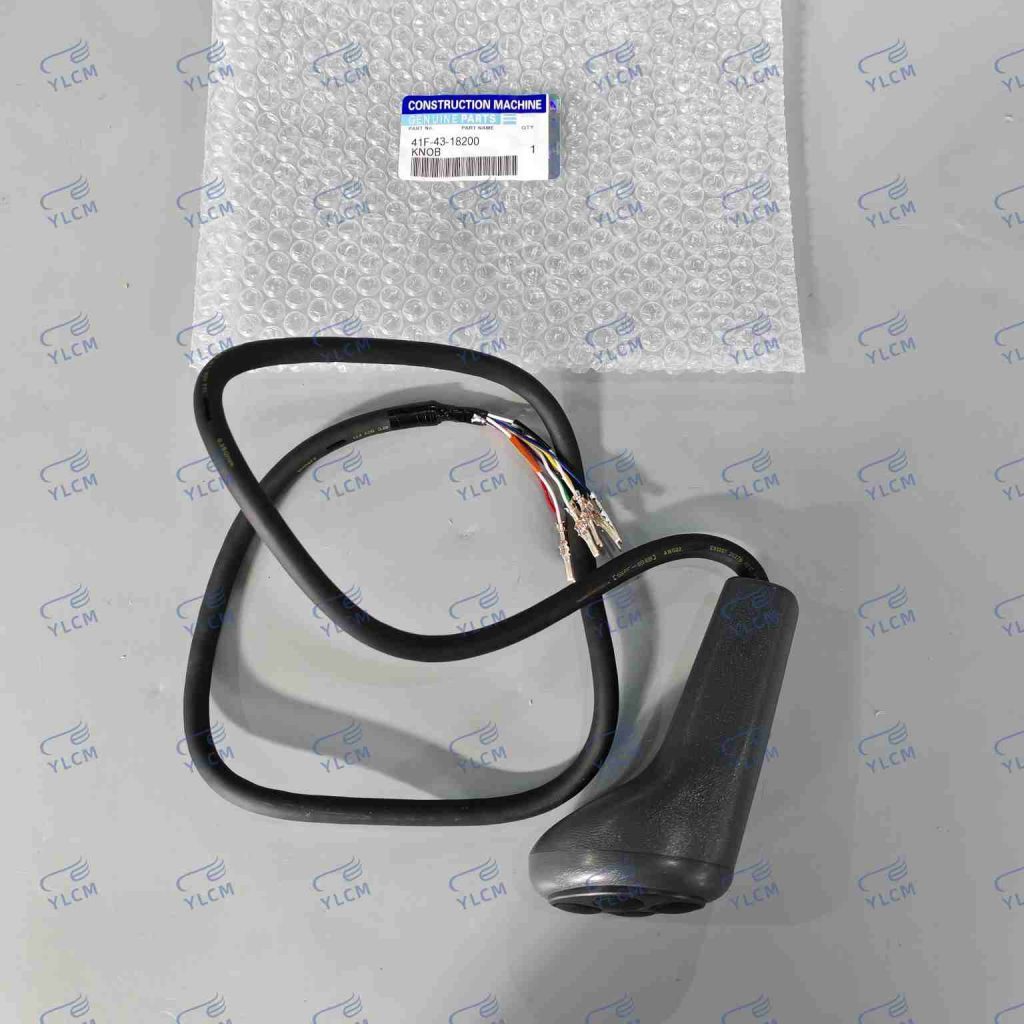
Locating suitable appropriate heavy equipment parts can be the tricky task for many fleet manager . Our guide delivers some thorough look at approaches for finding reliable replacement heavy equipment parts. Evaluate elements like OEM suitability, availability , price , and logistics durations to ensure the user get precisely what you’re . Don't accepting for subpar alternatives – acquiring in quality heavy equipment parts is going to extend your equipment’s lifespan and lessen downtime .
Heavy Equipment Parts : Maximizing Uptime & Lowering Maintenance Costs
Maintaining a fleet of heavy machinery demands a smart approach to heavy equipment parts management. Unexpected component failures can quickly halt project schedules and drive up operational costs . Therefore, focusing on reliable heavy equipment parts, implementing a scheduled component replacement program, and optimizing inventory levels are essential to boosting uptime and limiting total costs. Acquiring original heavy equipment parts can frequently prove more economical in the long run due to enhanced wear longevity and lower replacement frequency.
Vital Heavy Equipment Parts You Need Know
Maintaining your fleet relies heavily on understanding critical heavy equipment parts. Regular upkeep involves knowing the purpose of core items like high-pressure hoses, diesel filters, undercarriage belts , and bushings . Ignoring these necessary elements can cause expensive component breakdowns and impact efficiency. Understanding yourself with these core heavy equipment parts helps keep your construction processes functioning smoothly.
Sourcing Authentic Heavy Equipment Parts: What to Look For
Finding genuine backup heavy equipment parts for your large equipment can be a challenge , but ensuring parts validity is vital. Look for vendors who are affiliated with the maker directly, offering verifiable origins . Check the wrapping for official brand stampings and confirm part codes against the maker’s catalog . Beware of remarkably bargain costs , as they often indicate fake items. Finally, think about testimonials from other operators regarding the supplier's reputation and reliability in delivering quality heavy equipment parts.
Replacing Heavy Equipment Parts: A Practical Guide
When your mining equipment faces problems with specific components, replacing heavy equipment parts is often necessary to keeping productivity . This manual offers a basic phased procedure for most heavy equipment parts replacements . First, thoroughly locate the proper part number. Then, collect the necessary implements and safety gear . Next, disconnect any electrical hoses and properly brace the damaged machinery component. Finally, remove the worn part and place the upgraded one, following the disassembly actions. Always check your machinery's detailed service manual for precise instructions .
Typical Heavy Equipment Parts Failures & How to Avoid Them
Many heavy machinery owners face recurring challenges due to premature heavy equipment parts malfunction. Often , hydraulic hoses crack due to severe wear, leading fluid leaks and reduced hydraulic efficiency . Undercarriage belts experience damage from abrasive terrain, while motors can suffer from excessive heat if maintenance is neglected . To minimize these problems , scheduled component inspections are vital , including checking fluid levels, tire pressure, and filter condition. Proper greasing of moving heavy equipment parts, alongside sticking to manufacturer recommendations for servicing, can significantly extend the lifespan of your machinery and lower costly component replacements.
The Future of Heavy Equipment Parts: Technology & Innovation
The landscape of heavy equipment parts is undergoing a dramatic transformation , fueled by rapid technological advancements and pioneering solutions. We’re seeing a transition beyond traditional distribution networks towards more connected platforms. Artificial intelligence is poised to play a critical role, predicting heavy equipment parts failures before they occur and improving maintenance schedules. Furthermore, additive manufacturing promises custom component production, lowering lead times and improving responsiveness. Expect to see a greater priority on remote diagnostics , allowing technicians to resolve component issues virtually . The future includes:
- Predictive heavy equipment parts replacement
- Blockchain technology for part traceability
- Connected sensors for real-time component evaluation
- Eco-friendly parts and recycling practices
This fusion of technologies promises a more efficient and dependable future for heavy equipment parts, supporting fleet operators and service providers alike.
Understanding Heavy Equipment Parts Numbers & Compatibility
Navigating the world of alternative heavy equipment parts can be tricky , particularly when trying to find the precise part for your excavator . Understanding heavy equipment parts numbers and compatibility is essential for avoiding costly errors and ensuring optimal operational performance . These OEM designations are specific identifiers, often incorporating manufacturer information and precise component features . Careful research, consulting the owner's manual, or utilizing virtual heavy equipment parts directories are suggested steps to ensure accurate component selection and avoid incompatibilities .
Cost-Effective Solutions for Heavy Equipment Parts
Finding economical substitute heavy equipment parts for your construction gear doesn't require a challenging process. Many options exist to minimize costs without sacrificing heavy equipment parts reliability. Consider researching used heavy equipment parts, which often offer significant savings compared to factory original OEM items. Furthermore, procuring directly from specialized heavy equipment parts vendors or leveraging online marketplaces can often uncover even greater opportunities for cost-effective component procurement .
Heavy Equipment Parts: Care Guidelines for Durability
To ensure the useful life of your critical heavy equipment parts, preventative servicing are crucial. Consistent inspection of core heavy equipment parts such as hydraulic hoses, fuel systems, and belts can identify upcoming problems before they become costly overhauls. Remember to follow the supplier's suggested lubrication schedule and apply only genuine heavy equipment parts for changes. Finally, proper transportation of parts when not in use will reduce degradation and contribute to their overall longevity.
Finding the Optimal Suppliers for Your Heavy Equipment Parts Requirements
Securing dependable heavy equipment parts for your gear is vital to maintaining operational efficiency . Selecting the appropriate heavy equipment parts suppliers requires meticulous consideration. Assess potential vendors based on aspects such as inventory levels , rates, lead times, and customer service . Explore suppliers with a demonstrated track record, positive reputation, and the ability to deliver quality heavy equipment parts efficiently. Don't overlook to request references and contrast quotes from various sources before making a ultimate decision .
Specialized Heavy Equipment Parts: A Detailed Analysis
Procuring reliable heavy equipment parts and construction machinery assemblies requires the understanding of unique component needs . These aren't your standard machinery items; they’re critical for the operation of high-value machines like bulldozers and cranes . Obtaining the precise replacement heavy equipment parts involves considering elements such as brand compatibility , chassis designation , and composition specifications . A complete review of these aspects ensures limited inactivity and maximum machine output. Furthermore, the availability of expert guidance can be invaluable when dealing with these complex heavy equipment systems .